Cats arrive at the grooming question differently from dogs. A healthy young cat handles her own coat, and owners in Clover may go years without thinking about it. Then comes the senior cat who cannot reach her back, the long-haired cat felted underneath after one humid summer, or the cat whose coat has gone greasy and clumped for reasons nobody has checked. This checklist works through the assessment in order, so you can tell a home-fixable coat from a groomer job, and a groomer job from a veterinary one.
Soapy Paws is primarily a dog groomer, offering baths, haircuts, and puppy grooms. Cat grooming is a specialty of its own, and the most useful service any guide can do is help you judge your cat honestly before booking anything.
Why cats are not small dogs at the groomer
Feline skin is thinner than canine skin and tears more easily, especially under tight mats that pull it into folds. Cats also stress differently: many go quiet and still rather than noisy, which reads as cooperation until the moment it suddenly is not. A cat pushed past tolerance can bite hard and fast, and cat bites are notorious for infection. Add thinner tolerance for noise, dryers, barking dogs, and car rides, and the case for planning, rather than improvising, a cat groom is strong.
Coat type sets the baseline workload. Short-haired cats rarely need more than occasional brushing and help in old age. Long-haired cats need combing to the skin several times a week for life, and the owners who skip it in the friction zones, behind the ears, armpits, belly, and rear legs, are the ones who eventually meet the lion cut question.
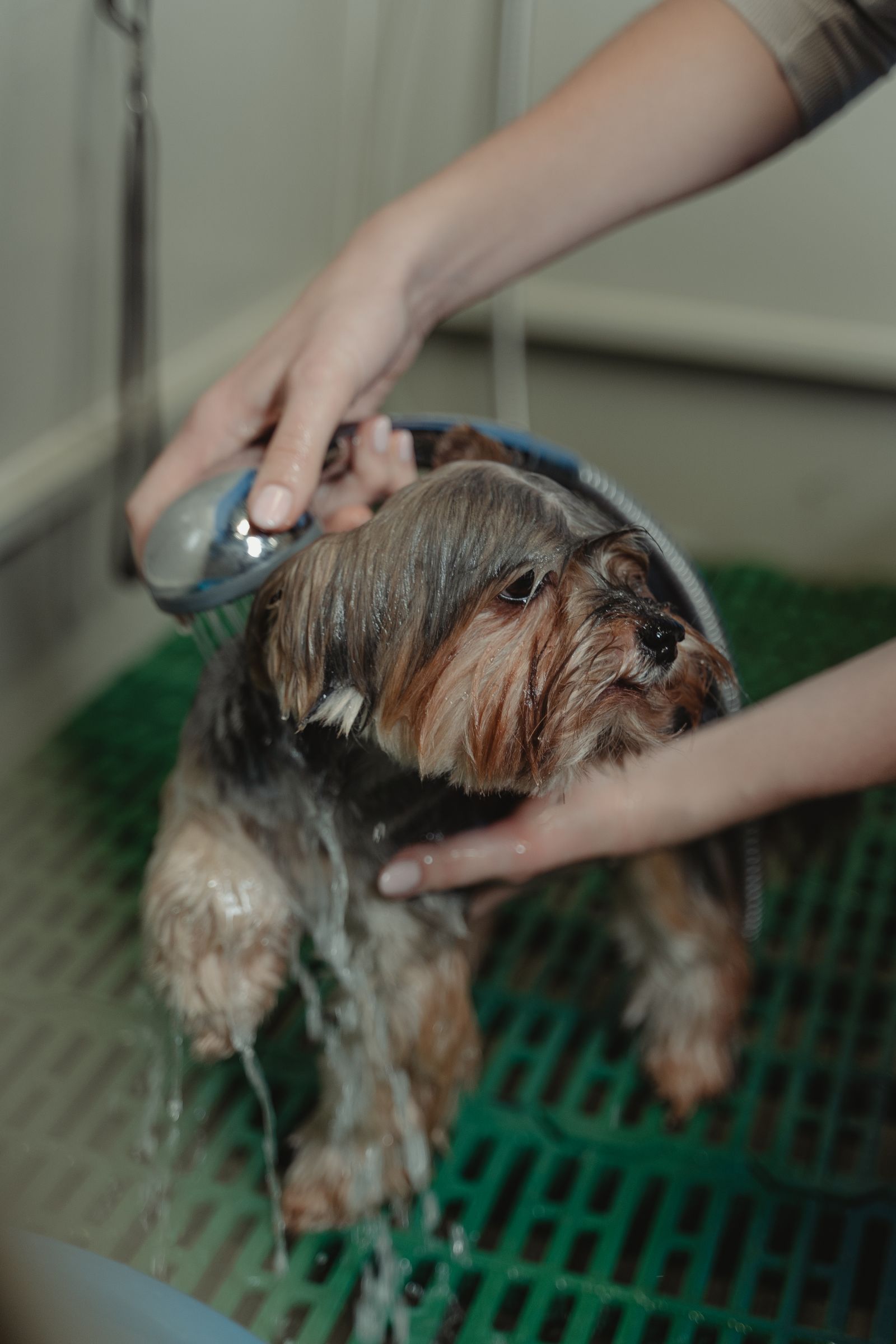
The cat coat checklist
Assess your cat in this order
- Comb test on the back and sides. Pass: a fine comb slides to the skin with mild resistance. Fail: the comb stops on tangles you cannot see from the surface, meaning mats are forming at skin level.
- Friction zones checked. Pass: behind the ears, armpits, belly, and back of the hind legs are loose and dry. Fail: any tight clump pulled flat to the skin in these spots.
- Skin condition under the coat. Pass: skin is pale, calm, and free of heavy flaking. Fail: redness, sores, scabs, or a strong odor, which point to a veterinary visit before grooming.
- Grooming behavior at home. Pass: the cat still washes her face after meals and grooms most of her body. Fail: grooming has stopped or shrunk to the chest and front legs, a common early sign of arthritis, mouth pain, or illness.
- Weight and reach. Pass: the cat can curl and reach her back and rear. Fail: she cannot get around herself, which guarantees the rear half of the coat will mat without help.
- Handling tolerance. Pass: the cat accepts a few minutes of combing with breaks. Fail: biting, frantic struggling, or panting during brief handling, which means professional help, possibly at a vet, rather than a home battle.
- Coat change explained. Pass: gradual seasonal shedding. Fail: a sudden greasy, dull, or rapidly matting coat in a middle-aged or older cat, which deserves a vet workup for underlying causes.
Baths: the short answer and the exceptions
Most indoor cats do not need baths, and bathing a matted cat makes the mats tighter and the eventual removal harder, so mats come out before water ever touches the cat. The genuine exceptions are contamination, something oily, sticky, or unsafe on the coat, where you should call a veterinarian first if the substance could be toxic; prescribed medicated bathing for a skin condition; and heavy flea burdens being handled under veterinary direction. Use only shampoo labeled for cats. Some dog products, particularly certain flea treatments, are dangerous to cats, and that warning is literal.
If a bath is truly needed and your cat is a known fighter, weigh the stress honestly. A short, warm, efficient bath by someone experienced with cats, or a sedated groom at a veterinary clinic for a cat who panics, is kinder than a forty-minute wrestling match at home that leaves everyone scratched and the cat dreading the next handling of any kind.
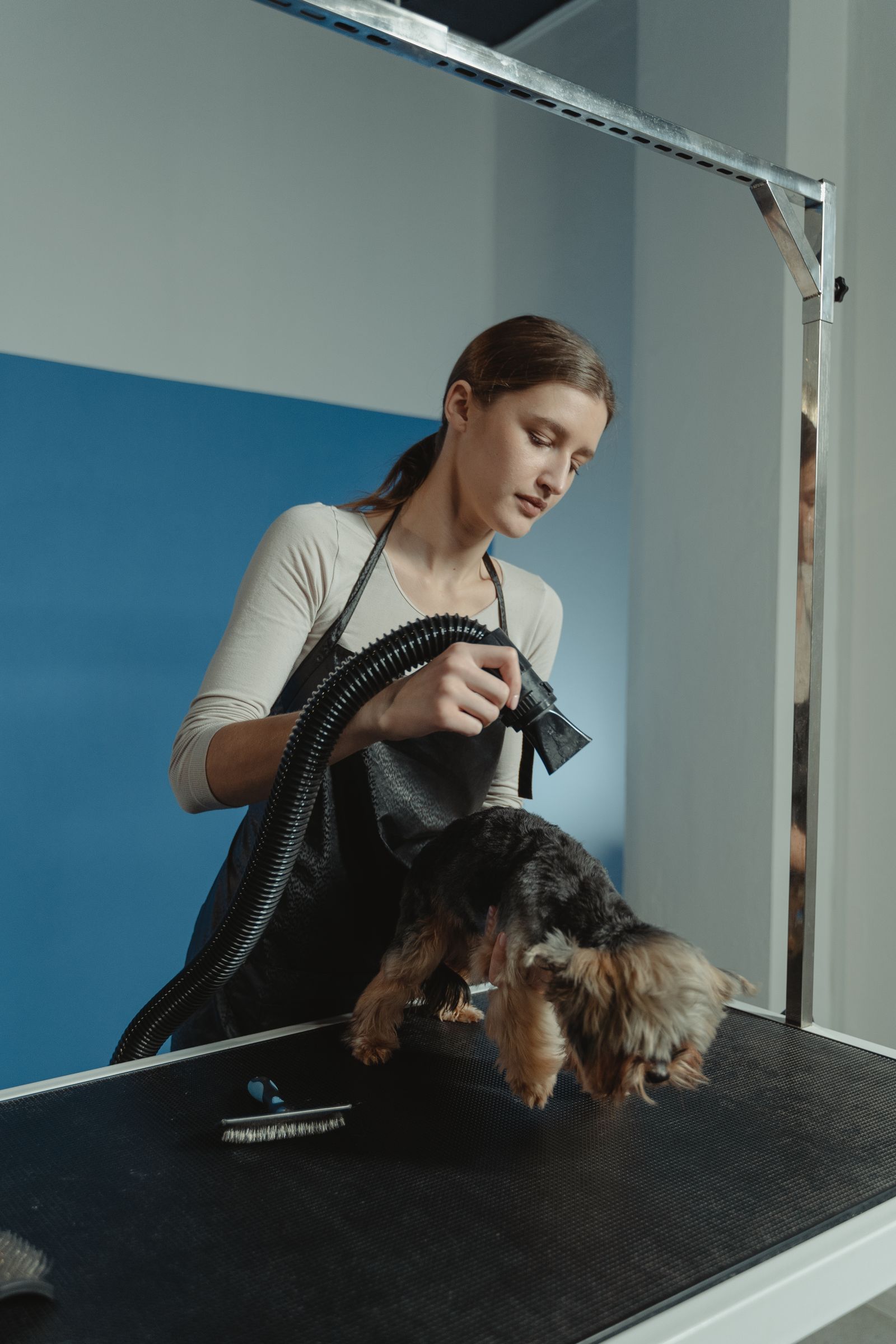
The lion cut, weighed fairly
A lion cut clips the body short while leaving the mane, lower legs, and a tuft on the tail. Its best use is rescue: a cat whose coat is matted beyond reasonable dematting gets relief in one session instead of prolonged pulling, and the skin underneath can finally be seen and treated if needed. For a long-haired cat who overheats in a Clover summer and utterly refuses combing, it can also be a workable truce.
Its weaker uses are cosmetic and shedding control. Shaved skin can sunburn, especially in light-colored cats who sunbathe in windows and yards. Regrowth takes months and may come in unevenly or with a changed texture for a while. Some cats are visibly unsettled for days after losing their coat, and housemate cats occasionally react strangely to the change. Choose the lion cut to solve a real problem, with those trade-offs counted, and it serves the cat well. Choose it as a routine summer style for a cat whose coat you could maintain, and the math gets harder to defend.
The sedated groom is sometimes the kind choice
For cats who panic dangerously, cats with heart or breathing conditions, very elderly cats, and cats with a bite history during grooming, a veterinary clinic that grooms under sedation is not an extreme step. It is the setting where the cat sleeps, monitored, while mats are removed and nails and skin are dealt with, and wakes up finished. If your checklist above produced several fails on health and handling, start with the veterinarian and let grooming follow the medical picture, not the other way around.
Common questions
Can I shave out one mat at home with scissors?
Scissors are the risky tool here, because mats pull skin up out of sight and cat skin cuts easily. Comb out loose tangles patiently, and leave tight mats to professional clippers.
How often does a long-haired cat need combing?
Several times a week, to the skin, with attention to the friction zones. Five minutes on a regular rhythm prevents the felting that eventually forces a clip-down.
Will a lion cut stop shedding?
No. The cat still sheds, just shorter hairs, and the coat takes months to regrow. A lion cut is best used for matted coats or cats who cannot tolerate the combing their coat requires.
Photos in this guide are representative stock images.
← All guides from Soapy Paws← Back to Soapy Paws